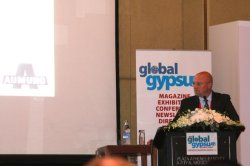
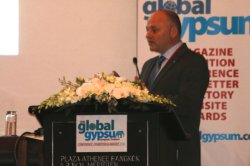
Global Gypsum Conference 2017

17th Global Gypsum Conference, Exhibition and Awards
25 - 26 October 2017, Kraków, Poland

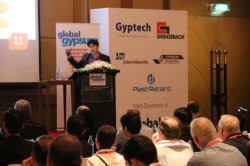
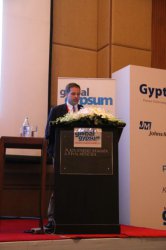
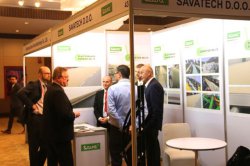
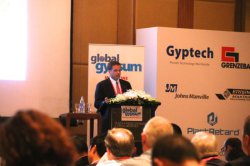
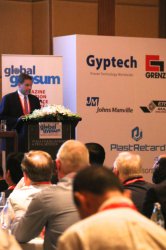
View the conference image gallery (large gallery - may take time to load)

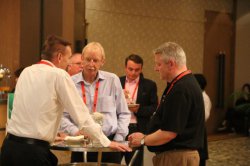
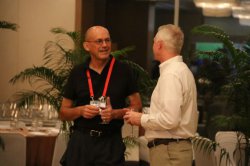
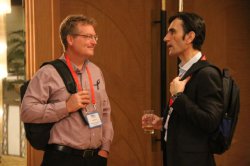
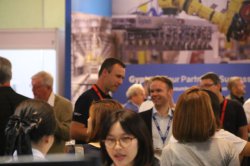
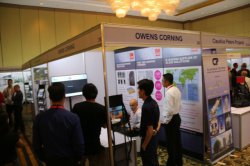
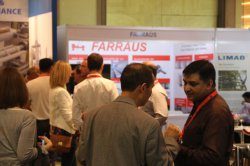
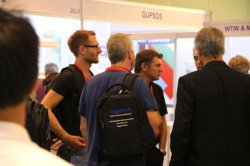
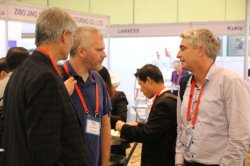
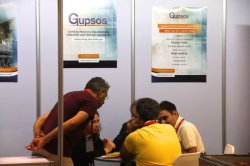
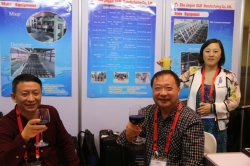
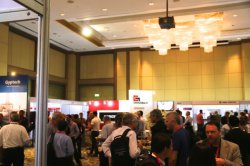
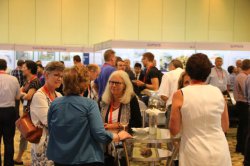
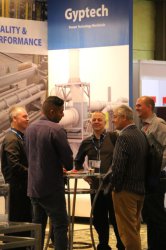
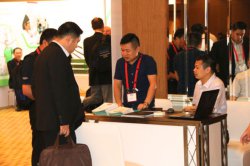
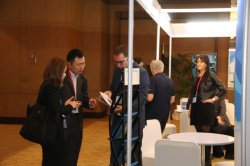
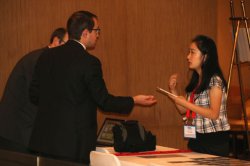
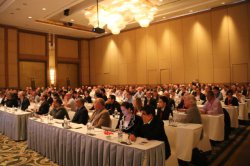
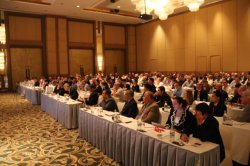
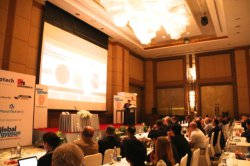
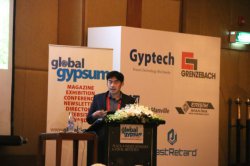
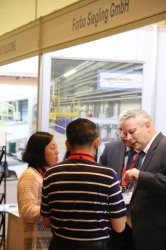
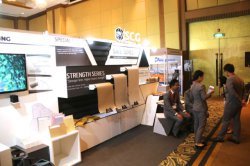
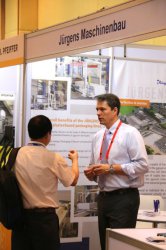
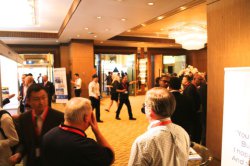
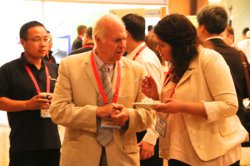
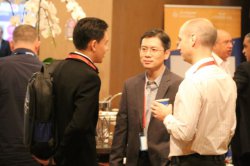
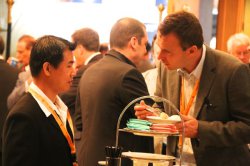
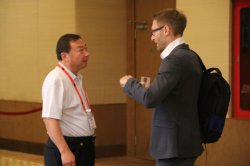
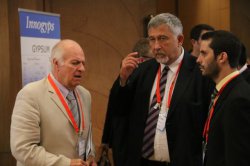
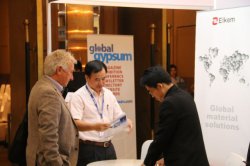
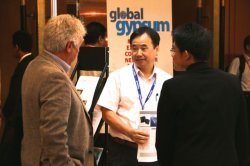
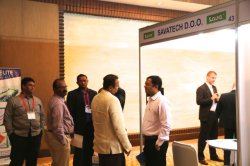
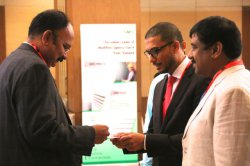
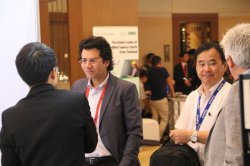
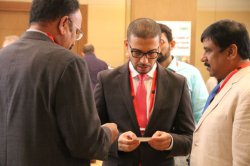
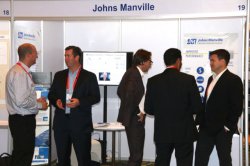
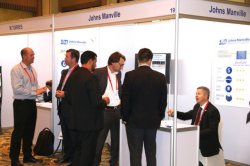
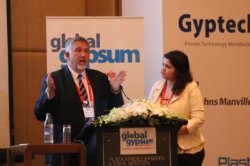
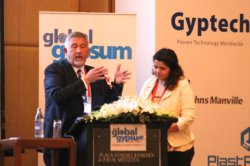
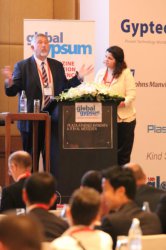
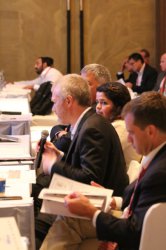
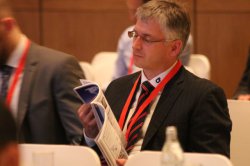
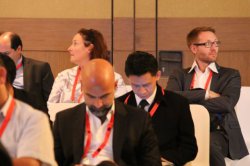
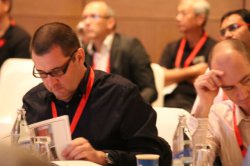
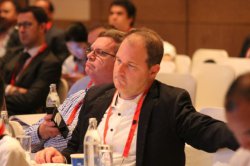
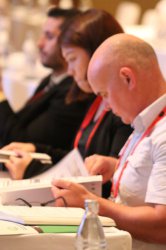
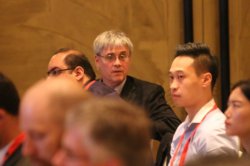
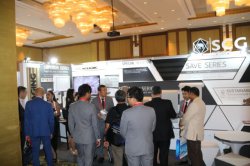
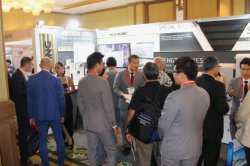
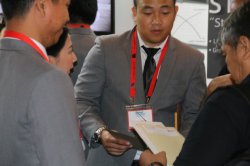
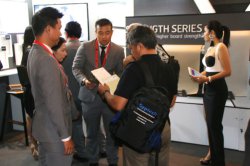
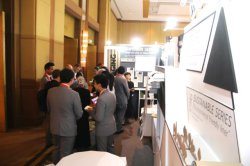
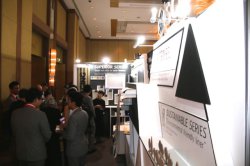
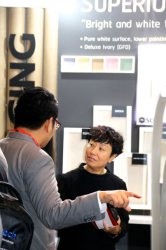
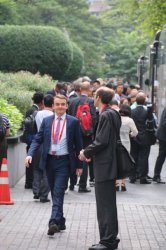
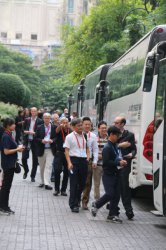
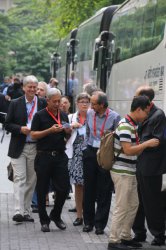
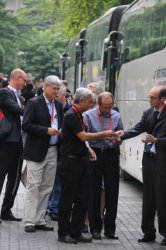
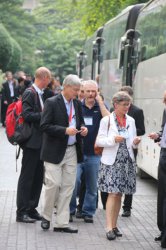
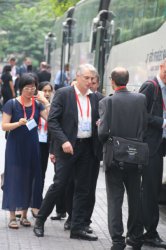
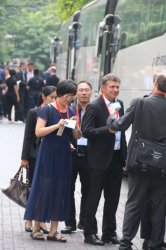
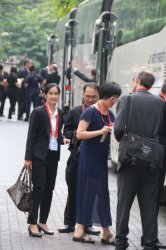
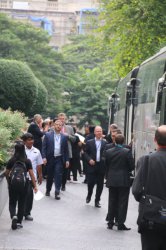
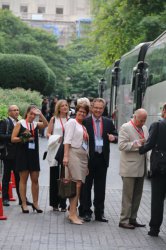
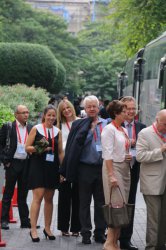
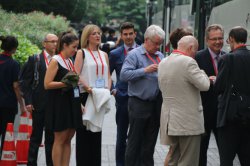
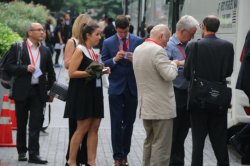
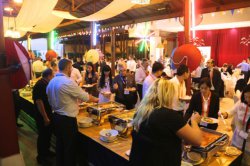
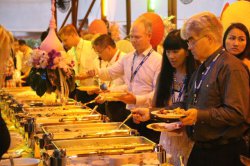
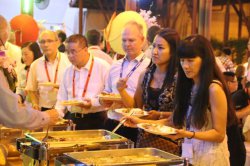
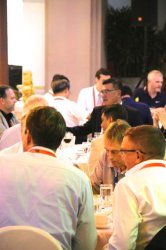
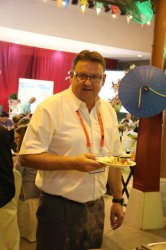
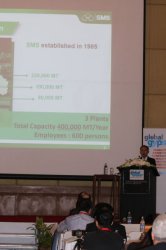
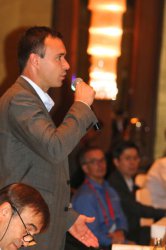
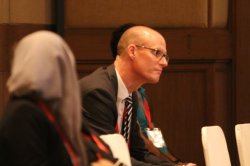
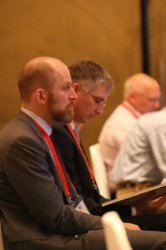
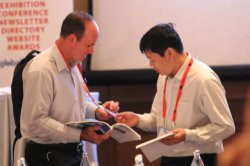
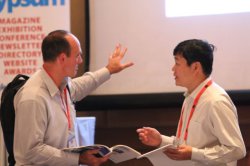
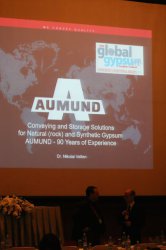
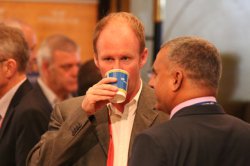
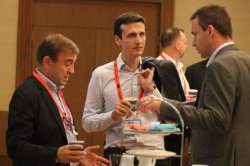
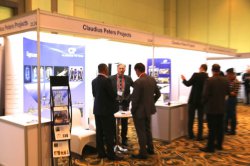
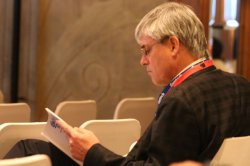
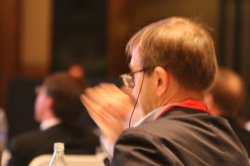
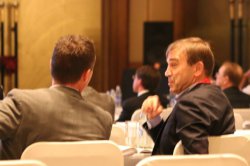
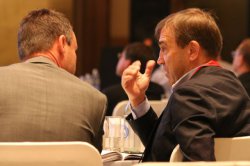
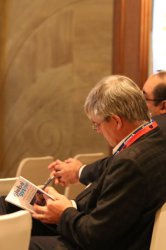
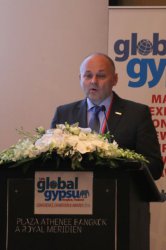
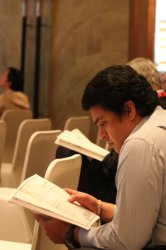
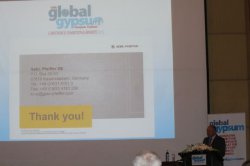
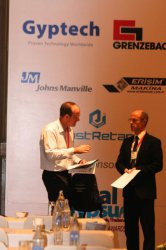
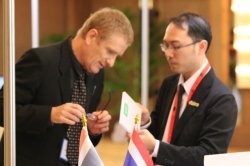
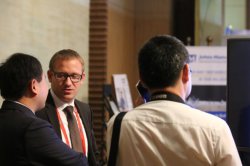
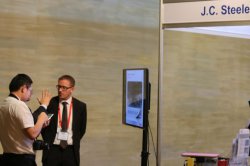
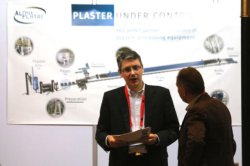
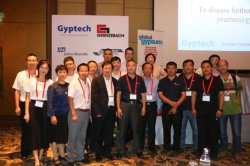
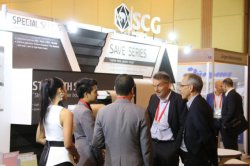
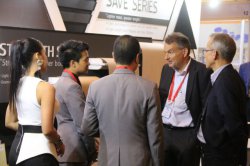
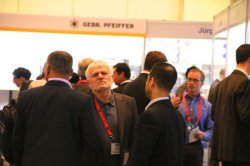
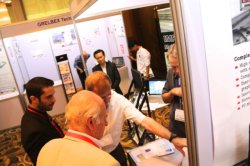
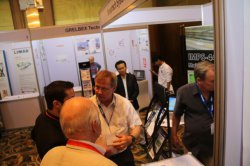
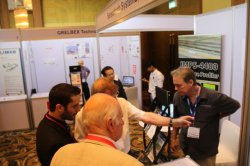
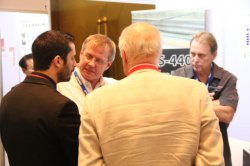
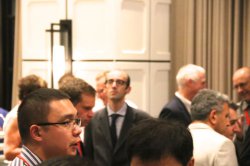
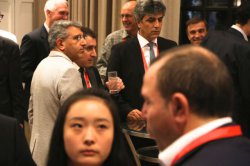
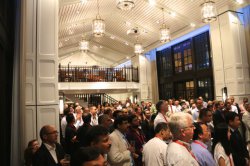
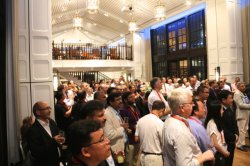
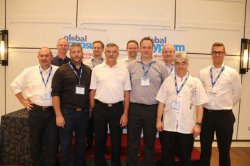
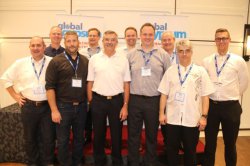
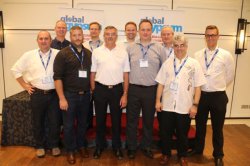
Photos of participants by Johns Manville

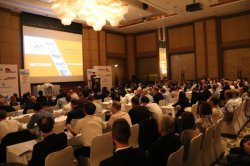
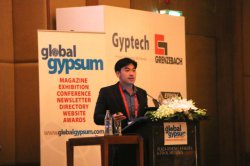
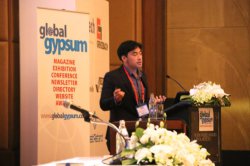
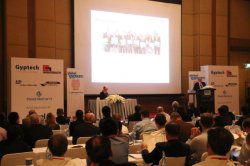
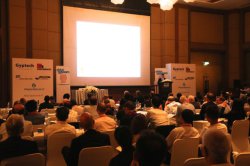
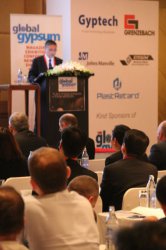
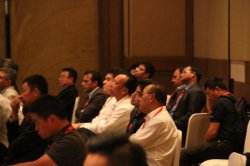
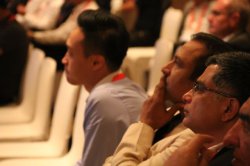
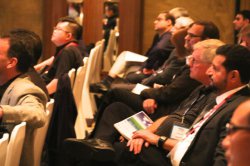
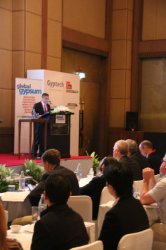
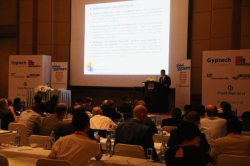
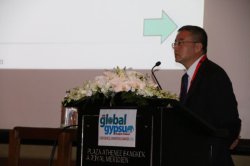
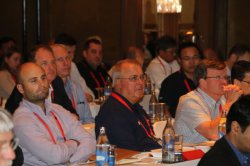
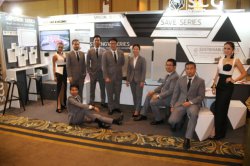
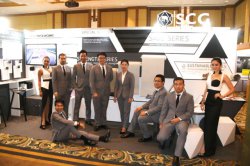
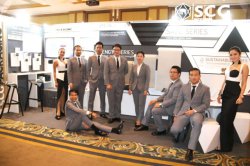
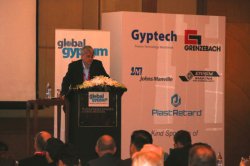
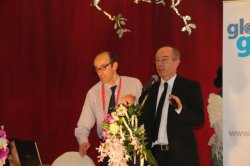
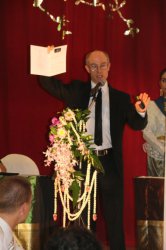
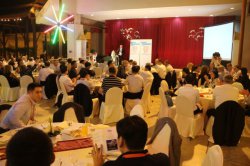
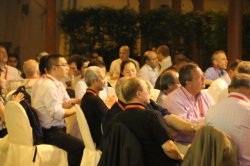
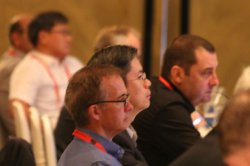
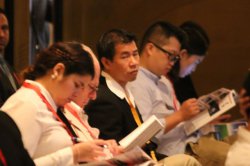
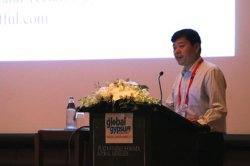
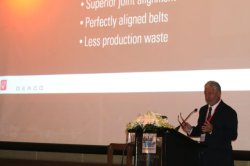
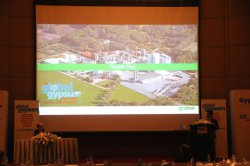
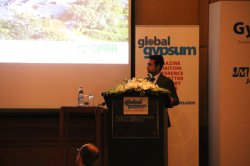
The 17th Global Gypsum Conference and Exhibition successfully took place in Kraków in October 2017. The event attracted 300 delegates from 41 different countries and included 46 exhibiting companies and 16 presentations. Delegates agreed that this was the best Global Gypsum Conference ever staged, giving it top marks in a number of areas. The 18th Global Gypsum Conference will take place on 22-23 October 2018 in Vancouver, Canada.

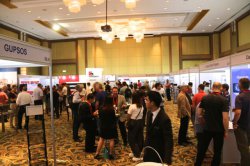
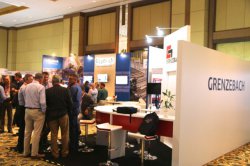
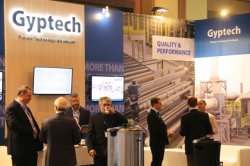
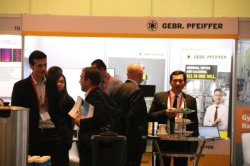
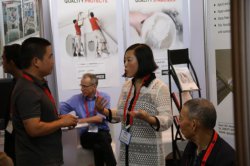
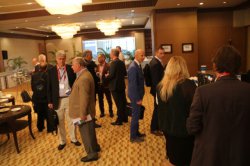
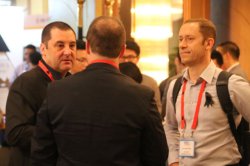
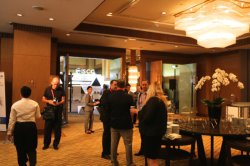
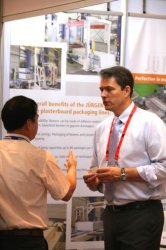
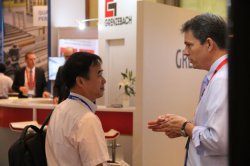
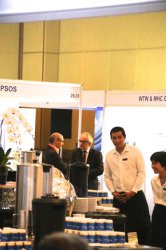
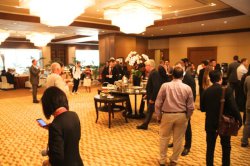
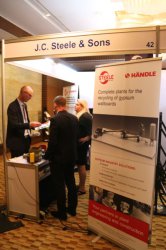
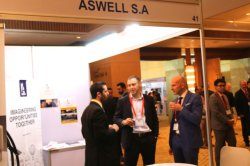
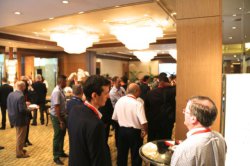
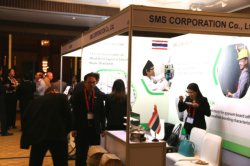
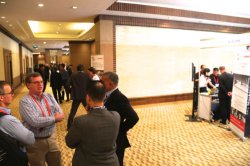
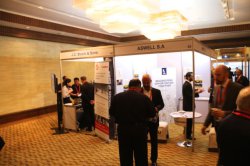
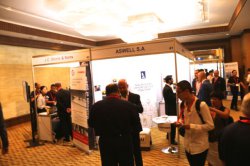
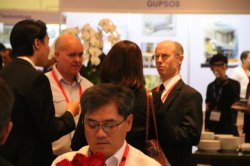
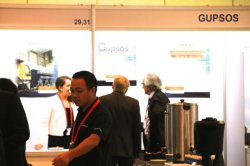
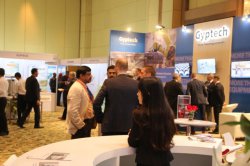
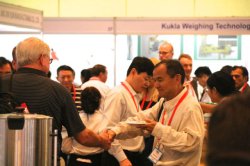
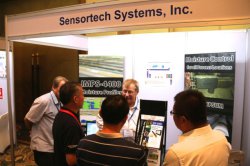
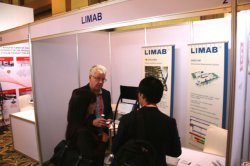
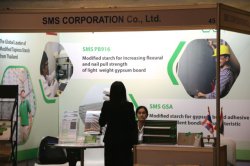
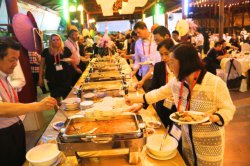
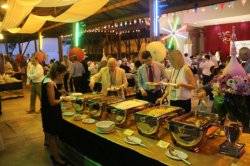
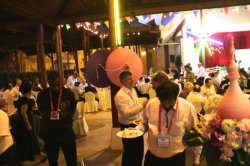
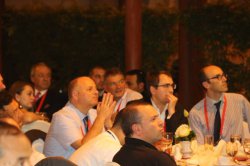
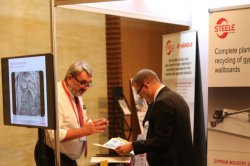
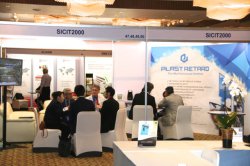
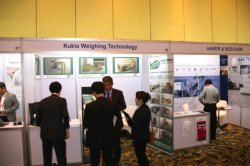
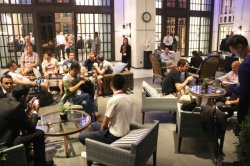
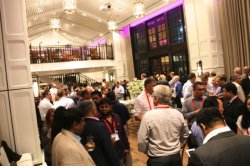
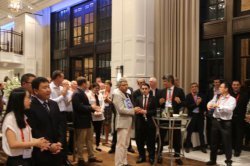
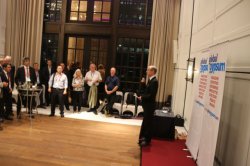
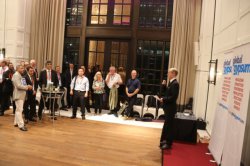
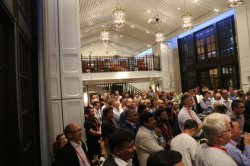
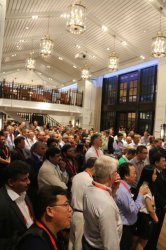
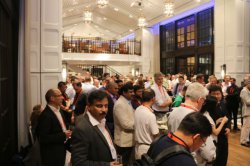
The 17th Global Gypsum Conference started off with a Welcome Party in the Exhibition area, which was well-attended by delegates from 41 countries. The exhibition area was given its highest-ever rating by delegates and served as a central hub for business, making contacts and networking.

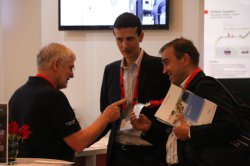
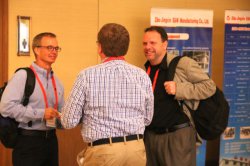
In 2017 at the request of delegates, the event included a number of innovations to increase delegate interactions, including internet-based questions (using Slido.com), the ‘Global Gypsum Power Summit Lunch’ and more information on the larger delegate badges, along with the popular ‘meet the delegates’ and ‘speed dating’ networking sessions.

On the first morning of the conference, Christine Marlet, Secretary General of Eurogypsum, the European gypsum association, pointed out that the EU wishes to create a circular economy, driving the building materials sector away from extraction and towards recycling, never demolishing and always only transforming materials, avoiding waste and transforming pre-used materials into new resources. “Think circular and act circular,” Christine exhorted the delegates. Of course, gypsum has a distinct advantage over some other building materials, in that it is infinitely recyclable. Christine hinted that a trend toward lightweight wallboard gives the industry a fantastic opportunity to add to the housing stock by building additional stories on top of pre-existing buildings without having to strengthen foundations and weight-bearing walls and at the same time avoiding additional urban sprawl.

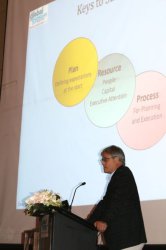
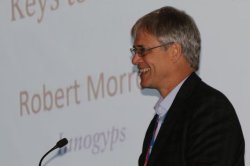
Robert Morrow of Innogyps, a well-known Canadian gypsum consultancy, next gave a ‘blue skies’ presentation on the economic impact of a gypsum wallboard factory. A single large wallboard factory in the developed world has an impact in the billions of dollars over multiple years and while smaller factories in less developed countries have less of an impact, they are still a major economic ‘motor’ that can power local economies.

Rob Crangle of the USGS National Minerals Information Center next gave an overview of the price trends of gypsum in the US over the last 120 years. The information is based on a series of surveys that are anonymously completed by gypsum industry participants, including the US Gypsum Association and the American Coal Ash Association. Amazingly, using 2017-inflation adjusted dollars, the price of gypsum has fallen from an average of around $40/t from 1880 - 1970, to around $10/t in more recent years. This is partly due to the arrival on the market of FGD gypsum. This FGD gypsum costs only a few dollars per tonne (and in some instances the gypsum users have been paid to take it away). The current price of synthetic gypsum ranges from $3 - 8/t, depending on the region. This has tended to underpin the possible price for natural gypsum, although transport costs are the largest factor and final arbiter of gypsum cost at the factory gate. Hearsay at the conference suggests that the reduction of coal-fired generation in the US is leading to a severe shortage of FGD gypsum and increasing efforts to find alternative sources.

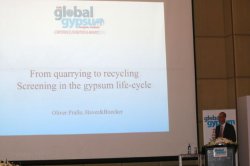
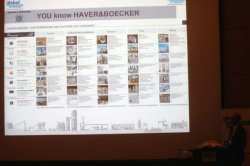
Oliver Pralle of Haver Niagara next started a session on gypsum processing with a presentation on gypsum crushing. Oliver underlined the point that only the minimum number of crushing steps possible must be undertaken to crush gypsum efficiently, while avoiding the production of fines and dust and also producing the most valuable size fractions.

Steve Becker of Schenck Process next spoke on the differences that have to be taken into account when pneumatically conveying both synthetic and natural gypsum. Steve pointed out that synthetic gypsum typically has a much narrower range of particle sizes than natural gypsum, which might lead to some problems with discharge. For both natural and synthetic gypsum, hopper cones should be at high angles and should have a wide discharge outlet. Synthetic gypsum presents particular problems with pneumatic conveying and Steve concluded that the dense phase pump should include a vessel discharge flow regulator. An ‘auto-flow’ pneumatic conveying pipe includes an inner bypass line that allows conveying air to break up plugs by causing turbulence locally to the ‘flutes’ in the bypass line. If material does eventually form a long plug, the inner pipe automatically pressure-balances across plugs to prevent blockages.

Jeff Warren of Gyptech next spoke on stucco conditioning. Jeff suggested that the best way to optimise stucco conditioning is to have a uniform feedstock, to maximise the amount of hydratable material and to minimise the amount of raw gypsum that remains in the calcined stucco. After the stucco has been calcined, it must be cooled effectively: if done too early, then the stucco can be ‘frozen’ in a less-than-perfect state, while ineffective cooling can lead to undesirable condensation. Stucco ageing comes with exposure to humidity, which heals some fractures in the stucco particles and means that they are less likely to break apart when mixed with water. This means that the surface area is reduced and water demand is kept low. Different stuccos can be blended to create a mix that is optimal for the process. Jeff spoke about the now-Gyptech-owned NuGyp enhanced accelerated ageing system, which treats plaster with high pressure steam to optimise stucco properties.

Peer Hanneke of Claudius Peters next spoke on a two-step calcination process, which aims to increase capacity for existing plants if they are limited due to their hot gas generator or main fan. Stucco quality is optimised by a combination of fast and slow calcination and by using steam from the second calcining step to improve the quality of the stucco coming from the first calcination step. This makes additional steam generation unnecessary and reduces waste gases and energy requirements. In the second process step, the calcination is completed by exposing the material in a fluidised bed to a lower calcination temperature for a longer retention time, with a humid process gas and under pressurisation in the fluidised bed reactor. In practice on an experimental rig, various levels of pressurisation are possible from ambient to 2barg, with semi-continuous operation via material air locks.

Michael Chen of Arvos Raymond Bartlett Snow LLC next spoke about the use of the Raymond planetary roller mill for grinding, drying and calcining of FGD gypsum and natural gypsum in one step and in one piece of equipment. A direct air-swept grinding zone improves drying and calcining efficiency and the integral classifier gives a narrow particle size distribution to optimise the gypsum flash calcining process and to ensure stucco homogeneity.

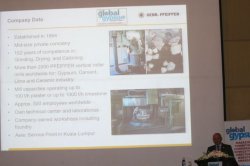
The final presentation on the first day of the conference was given by Viktor Zerr, on Gebr. Pfeiffer’s comprehensive solutions for gypsum grinding and calcining. Viktor spoke specifically about a case study at Trevo Drywall, a 4Mm2 drywall producer in Juazeiro Do Norte, Brazil. The MPS 10 GC mill supplied to the plant has a finished-product production rate of 7.3-13.5t/hr, with an installed power of 84kW, with a product surface moisture of less than 1%. The finished product has an initial setting time of less than 8 minutes and a water/plaster ratio of 22/78. Viktor suggested that Gebr. Pfeiffer’s modular vertical roller mill solution, previously used in the cement industry, should be widely applicable for the production of plaster and stucco for plasterboard.

Gala dinner and Global Gypsum Awards 2017

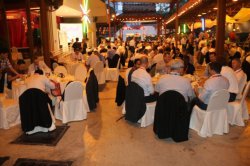
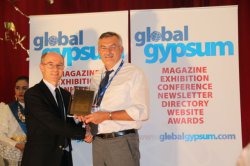
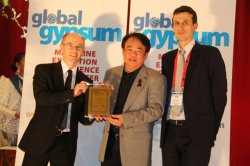
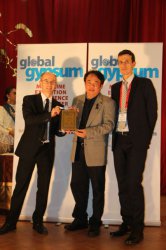
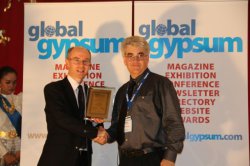
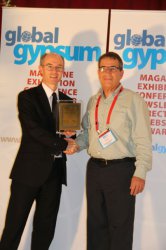
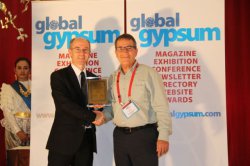
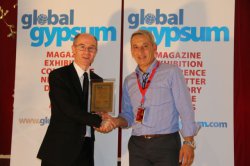
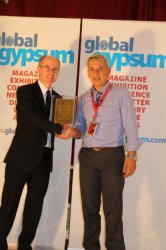
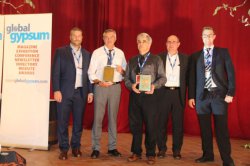
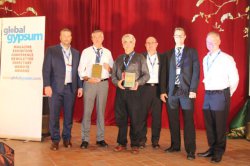
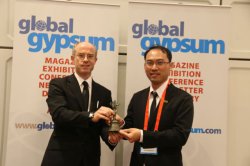
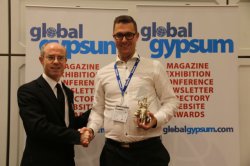
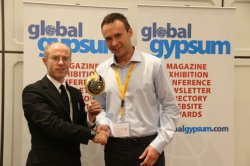
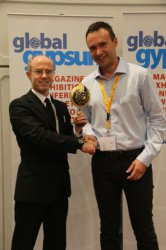
The Global Gypsum Awards took place during a gala dinner at the UNESCO-listed Wieliczka Salt Mines. The Global Gypsum company of the year was Winstone Wallboards of New Zealand, while the supplier of the year was Gyptech. The prize for plant of the year was shared between two National Gypsum factories: Indiana Shoals and Mount Holly, both in the US, after a dead-heat in the online voting. Siniat’s Weather Defence Board was named product of the year, while innovation of the year was Johns Manville’s DuraCore M300 glass fibre product. The award for outstanding contribution to the global gypsum industry was awarded to Knauf Gips KG. Finally, the ‘Global Gypsum ‘personality of the year’ was awarded to Colin Hanson of Sensortech Systems, Inc. After the dinner, networking continued late into the night.

Second day

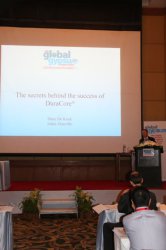
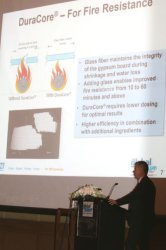
At the start of the second day, Dany De Kock of Johns Manville explained why delegates might like to use DuraCore in their wallboard products. DuraCore is a wet chopped glass fibre, supplied with 7% moisture, which allows for consistent dosing and excellent fibre dispersion. The fibres are dosed into wallboard to increase the fire performance of board and Dany explained that testing had shown that 16µm fibres were found to be the most effective diameter for performance improvement for its cost. Testing also showed that at dosages up to 1% for 16µm and quarter inch length that there was no significant influence on the slurry viscosity, which is crucial to avoid impacts on the wet-end of wallboard production.

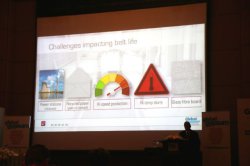
Rachel Marcon of Owens Corning next focused on how lightweight construction can be used to expand the housing stock through vertical expansion of buildings. Rachel suggested that there will be a marked trend away from ‘massive’ (concrete) construction and towards lightweight and drywall-based construction, by reducing the overall load on pre-existing foundations. Rachel also pointed out that modular construction methods can reduce costs and building time by up to 50%. Glass non-wovens, such as those manufactured by Owens Corning, are now widely used throughout the building materials industry. These materials can improve impact resistance, reduce wind uplift, improve dimensional stability, reduce weathering and increase mould resistance and fire performance. This means that gypsum-based products can be moved outside, becoming much more weather-resistant. Indeed, these types of products are already widely used in the North American exterior sheathing sector.

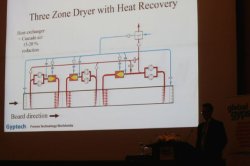
Next up was Ivan Sigfrid of Gyptech, who spoke about air heating systems for wallboard dryers. Gas, oil or even solid fuels can be used for air heating, but when using solid fuels an indirect heating system will be used to avoid staining the boards. In-duct gas heaters can be used for oil and gas firing in direct systems. Mixers may be needed to ensure an even temperature profile through the dryer. Burners must be carefully designed to avoid excess production of NOx and CO and this generally means operation in the range 1700 - 1900°C. Temperature stratification in the dryer must be avoided, in order to avoid the production of burned and/or wet boards. Dynamic instability can be caused by feedback loops, involving flow and mixture perturbations, heat oscillations and acoustic oscillations. Steam or thermal oil can be used with a heat exchanger when using indirect heating and this can lead to a very even temperature profile in the dryer. Steam has some drawbacks when it comes to maximum achievable temperatures at reasonable pressures. Solar-collection systems can also be used to heat thermal oil as part of an indirect system and molten salt reservoirs can be used to store heat for use overnight.

Bernd Luebbert of Claudius Peters Projects GmbH next spoke about the new PacPal palletiser, which is typically used in the gypsum industry for palletising 25kg bags of gypsum plaster. Bernd mentioned that the rate-limiting step is usually the lift that removes the full pallet. New models (and retrofitted machines) now have a unique upper pallet feed, so that as the full pallet is removed, an empty pallet clamping device enables the creation of up to two layers of bags of up to 500kg weight, before the pallet lift returns, allowing an uninterrupted process: this can mean an increase in palletising speed of up to 10%. The PacPal automatic truck loader is a new state-of-the-art solution for truck loading, without having to use fork-lift trucks or other human operators and without the use of pallets.

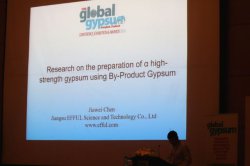
Matthias Schellhorn and co-authors from Stephan Schmidt KG spoke about the reduction of the fire shrinkage behaviour of glass-reinforced plaster boards using special clays. The company excavates up to 350 different types of crude clays from different quarries in Germany. The clays are processed, blended and homogenised into more than 400 standard recipes. Custom-tailored recipes are possible for batches of more than 25t. A dilatometer is used to determine the degree of expansion of product specimens during heating, with different amounts and types of additives. A ‘good’ product would have less than 3.5% shrinkage at temperatures above 850°C. Gypsum board without additives cannot achieve this low level of shrinkage, but the addition of the Capsil® special clay blend can reduce the amount of shrinkage to below 3% above 850°C.

Christian Pritzel of the University of Siegen gave the penultimate presentation, on the influence of additives on the morphology and technical properties of gypsum. Many properties are affected by the morphology of crystals, including porosity, expansion during hydration, casting accuracy and compressive and bending tensile strength. Critically, calcium sulphates are less soluble as temperature rises. At higher ionic concentrations in solution, smaller crystals are created and more branches are formed in the resultant final crystals. Christian showed how citric acid added to the crystallising solution inhibits growth on the fastest-growing crystal surface (the end of needle-like forms) and hence leads to shorter crystals with larger diameters. Potassium sulphate, on the other hand, leads to longer crystal needles with fewer branches. Small amounts of dihydrate crystals added to the mix increase the reaction speed and increase the strength of the final gypsum.

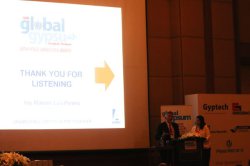
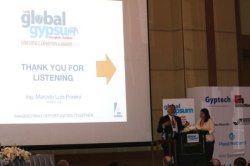
Mike Maretich of Stepan Company ended the speaker programme with his enthusiastic delivery of a presentation on ‘How to communicate effectively,’ which was a distillation of his knowledge from more-than three decades of communication and selling. Critically, his most important slide was one which - in order to communicate more effectively - beseeched his audience to listen.

Farewell and conference awards

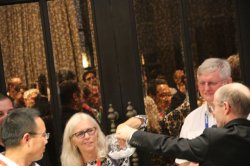
Before delegates dispersed to the four corners of the world for another year, a number of prizes were handed out at the jolly Farewell Party, while being serenaded by Kraków’s Leliwa Jazz Band.

Rachel Marcon was third in the best presentation awards, for her paper on improving market penetration with glass non-wovens. Christian Pritzel of the University of Siegen was second for his paper on crystal growth modifiers. However, the winner of the ‘best presentation award’ was Dany De Kock of Johns Manville, for his talk on the use of wet chopped glass fibres for the improvement of fire-resistance of gypsum wallboard.

The best exhibition stand award went to five companies that tied for first place: Grenzebach, Gyptech, Hamburger Containerboard, Jürgens Maschinenbau and Sauerländer Spanplatten GmbH.

The conference in Kraków was highly-rated by delegates - indeed, overall, it was the highest-rated ever.

The 18th Global Gypsum Conference, Exhibition and Awards will next take place on 22 - 23 October 2018 at the Sheraton Wall Centre in Vancouver, Canada.

1st Global GypSupply Conference & Exhibition 2018

1st Global GypSupply Conference & Exhibition on gypsum supply trends and technology

13 - 14 March 2018, Brussels, Belgium

View the conference image gallery

The first Global GypSupply Conference on gypsum supply, including natural gypsum, synthetic gypsum and recycled gypsum, has successfully taken place in Brussels, Belgium, with 110 delegates from 28 different countries. The 2nd GypSupply Conference will take place in March 2020, once more in Brussels.

The first keynote speaker at the first Global GypSupply Conference was Gwenole Cozigou, Director of DG Grow transformation and advanced value chain, European Commission, who gave an overview of the EU's approach to gypsum. He pointed out that Europe is self-sufficient in gypsum and indeed has large reserves. The continent faces three main challenges, in decarbonisation, in sustainability and in global competitiveness, but has three main means to combat these challenges, in innovation, the internal market and through investment. He agreed that gypsum, alongside other building materials, is a critical mineral. New technology for energy efficient transformation will be required, however, for the energy-intensive mineral transformation industries to remain competitive. There is a market-driven approach to the recycling of minerals, but gypsum has an essential contribution to make towards the establishment in the EU of a circular economy. While it already encourages dismantling and on-site separation, the EU says that there is much more to be done. The EU's regulatory steps are designed to try to make gypsum recycling more competitive and sustainable for the future. Mr Cozigou state that the recycled part of gypsum products should - according to the EU - rise to 30% in the future.

The second speaker was Bernard Lekien, current president of Eurogypsum, who pointed out the giant scale of the European gypsum industry. The industry directly employs 28,000 workers in Europe and annually trains in the region of 25,000 installers. Eurogypsum promotes 'best practice' in the European gypsum industry. Gypsum, he said, is really the 'wonder mineral:' it cannot burn, it is non-toxic, it is infinitely recyclable and has a synthetic equivalent in FGD gypsum. Bernard positioned gypsum at the centre of any circular economy. "Thinks of waste as a resource," he suggested. For recycling to happen, the gypsum industry needs deconstruction to be a common practice all over European, the separation of waste on site (including off-cuts from construction waste), constant volumes and constant quality of recycled gypsum and trust and transparency in the value chain. CO2 emissions from the European gypsum industry are close to the theoretical lower limit and in terms of embodied energy, plasterboard has the lowest level per square metre of any installed building product. Bernard Lekien outlined a bold plan to extend Europe's housing stock by building upwards on existing buildings, using modular lightweight and gypsum-based construction. Building with gypsum is also a strong driver for jobs growth. "The European gypsum industry calls on the EU and national authorities to enhance access to natural gypsum. It is crucial to obtain the performance of our solutions."

Fotios Papoulias, policy coordinator from DG Environment, European Commission, next outlined the EC's approach to habitants and mining. The Birds and Habitats Directives are at the core of the EU's biodiversity policy, while Natura 2000 protects the most valuable nature areas in the EU. The Natura 2000 policy includes 27,000 sites, covering 18% of the EU's territories. Fotios gave a 'fitness check' of the Directives and suggested that, while they are 'fit for purpose,' their implementation needs support, since many species and habitats still show negative trends, only 50% of sites are properly managed, the marine network is incomplete and that there is a lack of funds. There are also cases of inflexible application and permitting by national and local authorities and there is a general lack of knowledge, awareness, engagement and cooperation over the protection of habitats. An 'action plan' has been adopted to improve progress. Given that extractive industries are critical, Natura 2000 has been revisited, to identify and mitigate the effects of mines and quarries on nature and to identify the contribution of these non-energy extractive industries to biodiversity.

Gunther Wolff, desk officer for waste management and secondary materials at the European Commission, next gave an overview of the recycling agenda of the EU. In the waste hierarchy, in the section covering reuse, recycling and recovery, the EU target is for 70% of construction and demolition waste to enter the circular economy by 2020. The target has been achieved in many states (Netherlands, Italy, Austria, Denmark, Germany) including backfilling, while some other EU countries are lagging behind (Greece, Cyprus, Finland, Romania), although Gunther stated that the quality of the statistics is not high. The EU's Circular Economy Package is pending and will pave the way for more sustainable recycling of CDM, including measures to prevent waste generation and a push for extended producer responsibility. According to Gunther Wolff, backfilling must be done in a way that must not harm human health or nature and the material must replace virgin materials to be a valued use for recycling or material recovery. The use of gypsum for backfilling should be reported separately in official statistics. Selective demolition and sorting is being pushed, with plaster as a separate material category. Separate targets for recovery, reuse, recycling and backfilling are being investigated. Many other actions are being undertaken to promote the circular economy, including the introduction of a standard means to calculate the environmental performance of buildings.

Rob Crangle of the USGS next spoke about trends in global gypsum supply and demand. Gypsum demand grew steadily to around 100Mt in the 1990s, after which time China's cement industry started to grow exponentially and global gypsum demand has since grown to around 260Mt/year. Rob suggested that China consumed more cement between 2001-2013 than the US consumed in the entire 20th century and consumes in the region of 120Mt of gypsum each year just for cement production. Other significant producers are the US, Iran, Thailand, Oman, Turkey, Spain and Italy. In the US, synthetic gypsum's share of gypsum use rose from less than 5% in 1990, to nearly 50% in 2010. The proportion is now declining, since gas is so cheap in the US that many power plants have switched away from coal and now do not have the necessity to produce FGD gypsum. There has been a decrease in the production of FGD gypsum in the US, but 43% of this material is not being used in any case, with transportation costs being a major factor. In contrast, 70% of Chinese electricity generation is coal-fired and since 2004 every plant larger than 600MW has had to have an FGD system. Although statistics are hard to come by, China is likely to be making tens or hundreds of millions of tonnes of gypsum each year. In terms of recycling, the US is not at an advanced stage, with attempts at recycling being sporadic and local or regional at best. Where it is undertaken, it is legislation-led, rather than economically-driven.

The next speaker was Joerg Demmich, speaking on behalf of the FGD gypsum and recycling group of Eurogypsum, on the past and present supply situation in Europe. In Europe 78% of gypsum use is by the plasterboard industry, 17% by the cement industry and 5% in agriculture. Gypsum demand is expected to grow by five times from 20Mt to 100Mt by 2050. At the same time, the EU is targeting a complete decarbonisation of power generation by 2050, even though some EU countries are heavily reliant on coal and lignite. Germany produces around 6.5Mt of the EU's annual approximately 18Mt of FGD gypsum each year. The German government started an Energy Policy Concept in 2010 in order to radically reduce greenhouse gas emissions by 2050. Although hard targets have already been missed, a target of 80-100% decarbonisation by 2050 'should be achievable.' On this basis, FGD production will tend towards zero by mid-century in Germany and to a greater or lesser extent in other EU countries, with a likely production by 2050 of less than 5Mt in the EU. With the reduction of synthetic gypsum supplies, recycled gypsum will become more significant. The main conclusion of the recent 'Gypsum to Gypsum' study was that 'Recycled gypsum shall become a trusted resource once having legally obtained 'end of waste' status at European or national level in accordance with Article 6 of the Waste Framework Directive.' The quality of the recycled gypsum (including the purity of the gypsum and the presence of minor elements) is a critical factor in the success of this approach. There is a recognised hierarchy of quality, from factory by-products, to pre-consumer (construction site) materials, to deconstruction materials and finally to demolition materials. Joerg concluded that recycled gypsum cannot replace the lost supply of synthetic gypsum in Europe and that increased use of natural gypsum will be required.

Rick Haverland of ZAG Internaional next spoke on gypsum markets and quality trends. Although it is well known that FGD gypsum's a valuable byproduct of coal-find power stations, coal-burning Circulating Fluidised Boiler anhydrite is a kind of 'gypsum' that cannot be used in the cement industry since it does not react chemically to retard cement setting. Rick pointed out that FGD gypsum often has high levels of calcium chloride when it is produced and it must be rinsed with fresh water in order to bring down chloride levels to the point where it can be used in either the wallboard or the cement/concrete industry. He pointed out that synthetic gypsum can present major material handling difficulties and may require some capital expenditure to enable it to be handled and dosed into the system. The greatest impact on FGD gypsum has been the price of gas, which was $13mmBTU in 2008, but which was less than $3mmBTU just a year later. This ongoing trend means that 72GW of coal-fired power plants will be converted to gas or closed in the coming years. Wallboard plants on major waterways such as the Mississippi and Ohio rivers can still economically ship in gypsum, but some plants in Florida, for example, cannot.

Denny Sabah of Clarksons next spoke about trends in shipping and he started by pointing out that trends in many types of ship chartering are not of consequence to gypsum, since they are not used for gypsum shipping. Iron ore, grains, fertilisers and other bulk commodities are the main players and gypsum and even cement are the smaller players in the market. In general, there are now about 11,000 dry bulk vessels, having grown from below 6000 in 2005. There are far too many ships, so that freight rates have collapsed. However, the increase in the number of vessels has slowed dramatically, to fewer than 200 per year, so that the market should start to rebalance towards the amount actually required. 

In the session on natural gypsum resources, the first speaker was Mohamed El Moustapha Ould Eleya of Samia, s.a., Mauritania. Gypsum was discovered 50km northeast of Nouakchott in the 1950s, in an area 80km and 50km wide, with a resource of approximately 1.7bn tonnes, with purity of 70-97%, although there are other sources such as gypsum dune deposits and pure crystalline deposits that have higher purities of up to 99%. The resources are being mined at a rate of 200,000t/year and plaster is produced in a local factory at a rate of 30,000t/yr. 40,000t is sold to local cement factories with another 35,000t/year going to the cement industry in Mali. Cement consumption is on the rise in sub-Saharan Africa and now exceeds 60Mt/yr. As a result, gypsum demand is on the rise as well and now stands at around 3Mt/year. As a cement additive there is no substitute to gypsum and there are effectively no other viable gypsum deposits in West Africa. Nouakchott has a port with draft of 11.2m, capable of accepting vessels of 45,000mt but other port facilities for imports in west Africa can be 'problematic.'

Patrick Whiteway of Natural Resources Nova Scotia next told the assembled delegates about the possibilities for natural gypsum from Nova Scotia. More than 375Mt of gypsum has been mined from 70 quarries since 1770. Since the Great Recession, a number of gypsum quarries have gone onto a care and maintenance basis, but the sites all have large reserves and Patrick suggested that not only will the existing quarries come back into production, but that new quarries may be opened in the coming years too. The Murchyville deposit, discovered in 1990, contains more than 300Mt of gypsum. Readers should refer to Global Gypsum Magazine for a full account of the mineral resources of Nova Scotia. Patrick made it clear that Novia Scotia is open for gypsum business.

The final presentation of the day was given by Marcello De Maria y Campos of COMSA, the Compañía Occidental Mexicana, which mines gypsum on San Marcos Island, situated in the Sea of Cortez, east of Baja California. The company has been mining gypsum for nearly 100 years and is the largest producer in Latin America, producing 2.2Mt annually. Marcello pointed out that his company is working hard to create shared value for the company and all of its stakeholders. For example the company worked on a programme of self-sufficiency for the island in terms of food, which generated jobs and added value. The company has also substituted solar energy for expensive diesel and hopes to use solar for 100% of its energy needs in the next few years. The company is also working to build industrial clusters that co-exist with COMSA's gypsum-based businesses.

After the first day of the conference, delegates enjoyed an unusual 'walking dinner' at the iconic Atomium in Brussels, with jazz and local food and drinks.

Second day

On the second day of the conference, Walid Rhannou of Cultura started by telling delegates about his company's well-positioned gypsum quarries in Morocco. The quality of the resources is high, with purity up to 99%. Safi port has a draft of 9.14m, suitable for vessels of up 30,000t and with low congestion. Gypsum exports from Morocco had been stable at around 100,000t/year until 2017, when they doubled. It was Cultura itself changed the game, having been established in 2016, finding a niche for customers which prefer 'smaller' shipments, of high grade white gypsum in custom sizes. The company's high-grade gypsum is used in dental plaster and white cement, among other uses. The company has focused on adding value through quality and customer service. A new port is being built in Safi, with a draft of 16.5m, capable of berthing vessels of 280m length, due for commissioning in 2020. Walid forecast that Morocco will become the largest exporter in the Atlantic by 2030, with tonnages in the region of 5Mt/year.

Next up was Oliver Pralle of Haver Niagara GmbH, who spoke on primary and secondary crushing and on screening of gypsum, in order to customise products and to add value. Oliver pointed out that exporters, shippers and final customers have very specific requirements in terms of particle sizes, with or without fines (usually without fines) and with a specific maximum size (always below 100mm, but sometimes with a maximum size of 45mm). The screen before the primary crusher can be used as a quality control device, since the finer material that passes through the screen tends to be higher in moisture and of lower quality and this material can optionally be discarded in order to increase the quality of the fraction that goes to the primary jaw crusher. This also has the effect of minimising fines and increases the production capability of the primary crusher.

Maarten Hendriks of New West Gypsum Recycling next spoke about the future dynamics of gypsum recycling. He suggested that NWGR is really a service company, taking in pre-used gypsum products and recycling the materials into high-value products. Maarten pointed out that many modern materials - for example paper, glass and wood - may be recycled, but that generally at each recycling step the material is degraded, eventually becoming fit only for landfill. Only metals and gypsum wallboard are suitable at the moment for full 100% 'true' recycling, according to Maarten. He suggested that real recycling rates are very low and are nearly at zero in Eastern Europe, but that in the future all gypsum wallboard waste should be recycled. Gypsum quality should not be a problem: purity is 2-3% lower than that sold in the market, but the variability is lower. In the future, landfilling of gypsum waste will be banned and will be enforced and downcycling will not be accepted. Maarten forecast the development of common testing criteria and the definition of TOC as a quality criteria; granulometry will become more important and silicon content will be controlled. Maarten concluded with a number of sensible suggestions for governments and producers to help increase future recycling rates. His final statement was “Never go for less than green."

Ulrich Kral of the Technische Universität Wien next gave an overview of the UN framework for the classification of resources and outlined how it can be used to enable gypsum recovery management. Ulrich pointed out that European per capita use of gypsum is likely to increase from 80kg/person/year in 2015 to around 115kg/person/year in 2050. He also pointed out that there is in the region of 3500kg of gypsum in the form of plaster, plaster boards and other construction materials per person in the built environment. Ulrich suggested that the UNFC allows the communication of the amounts of recoverable quantities based on the maturity level of recovery projects and that this scheme is applicable to all energy and mineral resources, including gypsum. The stages in the UNFC are exploration, degree of project development and finally, in production. The usefulness of the scheme might be to point out that all other factors are positive to promote recycling (economics, feasibility, access to markets, technology) but that only political will is lacking - in which case the political situation should be the focus to change the situation.

John Rimmer of Cantillon Ltd next spoke about deconstruction and plasterboard recovery in the UK. John gave an initial practical tip for wallboard recycling: instead of throwing the deconstructed material on a pile, put it in a stack: it will save space, the material will tend to take on less moisture and the stack will be easier to use. Taxation for landfill in the UK is currently at around £86/t, the highest in Europe, so there is a strong driver for recycling. Cantillon insists on taking down wallboard by hand, since it creates less dust and the process is more controllable. Although it is more expensive and time-consuming, it is safer for operatives since there is less chance of exposure to silica or exposure to asbestos fibres. The larger pieces of wallboard that result from manual deconstruction are also easier and cheaper to transport. Coverings such as paint and wallpaper can cause a problem for removal and recycling, while double-layers, very thick or laminated boards will also cause problems. Methods of deconstruction will depend on how the room or building was originally built.

Patricia Andy next spoke on behalf of Saint-Gobain and Les Industries du Plâtre about the gypsum recycling situation in France. Starting in 2008 with 8000t, French gypsum plants had increased the tonnage of external gypsum waste recycled to a level of 83,000t/year by 2016. A new deal signed in April 2016 between Knauf, Placo and Siniat, along with the environment and industry ministries, is aimed at promoting the level of recycling. The agreement established a database of participants in gypsum recycling and also established best-practice in the industry. Patricia pointed out that the deconstruction contractor is responsible for the produced waste until its subsequent valorisation. From 1997, gypsum waste could only be landfilled in dedicated cells and very few exist. In practice, most gypsum waste is mixed with other waste and landfilled in normal landfill, while some gypsum waste is also 'littered in nature,' or fly-tipped. There is no traceability for non-dangerous waste. Patricia suggested that there is an overcapacity of facilities for landfilling and a perverse ‘use it or lose it’ situation for tipping licences, leading to fierce competition between landfills for waste volumes and attractive prices for waste producers. There is huge potential for improvement in recycling rates: 400,000t of gypsum waste is produced each year from construction and demolition sites. Patricia stated one means for improvement is 'an increased attention of inspection authorities on non-dangerous storage facilities without gypsum cells about the entry of gypsum waste and sanctions for any deviations.'

Christian Pritzel of the University of Siegen next addressed the issue of the hydration of hemihydrate in the presence of retarding agents and other additives. "Gypsum is not the same as gypsum," stated Christian, pointing out that there are many forms of the material, with different crystal states, different minor elements, different impurities and different levels of additives. Christian pointed out that crystal growth is influenced by many factors and if the environment of growth changes even in subtle ways, then the final product may be radically different and have very different physical and chemical properties. The specific surface area of the gypsum tends to increase with increasing recycling steps, since crystals get broken and if there are more nucleation sites the resultant crystals tend to be smaller as well. Among other suggestions, Christian suggested that producers aim to use additives that will break down during the calcination step of the recycling process (at temperatures of less than 158°C) and that will then have no other deleterious effects on gypsum hydration.

David Sevier of Carbon Cycle Ltd next presented a new purification process for gypsum, including phosphogypsum, FGD gypsum, mined gypsum, recycled gypsum and mining fines. David uses a decomposition step and the addition of a complexing chemical to separate out and purify the calcium sulphate component of feed materials, with the complexing chemical then recovered for re-use. A test batch from a Finnish apatite-based phosphogypsum stack was successfully processed, with radioactivity and other minor elements substantially reduced. A dry and a wet process exist with slightly different product outputs. David pointed out that around 160-200Mt of phosphogypsum is produced each year and suggested that his process could reprocess enough gypsum each year to supply the entire world's demand for input gypsum.

Volker Goecke of Claudius Peters Projects and Jörg Feinhals of DMT GmbH & Co. KG gave the final presentation at the conference, on the reprocessing of phosphogypsum. Volker suggested that passing the phosphogypsum through the CP Homogeniser dramatically improves the performance of processed material, in terms of water demand and setting time, through a high-humidity crystal annealing process. No or low radioactivity is a precondition of the use of phosphogypsum. Jörg went on to suggest that the recycling of phosphogypsum may also be a source of rare earth elements, phosphorus and radiologically useful radionucleotides. The level of radioactivity varies between stacks and even within different levels in the same stack and is controlled by the source rock and technological process used. A new process, raPHOsafe, classifies and separates radium-enriched phosphogypsum from non-radioactive materials. The patented automatic system uses a series of detectors on a conveyor belt to identify the more radioactive protein of the feed material and this is then selectively separated, to produce a higher- and lower-radioactivity gypsum fraction that can be valorised.

Prize-giving and farewells

At the end of the conference prizes were awarded for the best presentations, as voted-for by the delegates. In third place was Rob Crangle of the USGS for his paper on global gypsum trends, while in second place was Denny Sabah of Clarksons, for his paper on shipping and freight trends. However, in first place was Maarten Hendriks of New West Gypsum Recycling, for his paper on future recycling of gypsum.

Delegates very highly rated the conference for its technical content and for the quality of the networking. After a show of hands, it was agreed that the conference should take place every two years and attendees agreed to meet again in spring 2020, at a location to be decided.

What the delegates said about Global Gypsupply 2018

Good diversity of presentations/speakers
Wide diversity of attendees
Length of event was good
Good opportunity to learn more about the gypsum sector
Good idea to use Slido to collect questions
Good balance of speakers and topics covered, giving a global overview of the gypsum sector
Another great conference, thank you!
Interesting conference
Good technical information
The length of presentations was good - not too long or too many
Nice start!
I appreciate how you continually improve your conferences.
There was ample time to meet people and was small enough to facilitate connecting with people
This was a conference with global reach
Good variety of topics
Very good moderation kept up the momentum throughout the event
I loved the fact that we were a small community, all interested by the same subject
Very interesting theme
Really useful for me 


1st Global GypSupply Conference & Exhibition on gypsum supply trends and technology

13 - 14 March 2018, Brussels, Belgium


Monday 12 March 2018

Exhibition build - Exhibitors have access to stands from 15.00.

17.00 - 20.00 Conference registration

18.00 - 20.00 Welcome party in the Global GypSupply exhibition area


Tuesday 13 March 2018

08.00 onwards: Conference registration

09.00 Introduction and Welcome by Robert McCaffrey, conference convenor


Session 1: Towards value-chain thinking in gypsum sourcing

09.10 Paper 1: Keynote: ‘Raw material supply in the EU: A value-chain approach,’ Gwenole Cozigou, Director of DG Grow transformation and advanced value chain, European Commission

09.40 Paper 2: Keynote: ‘Gypsum: A material for innovative and sustainable solutions in buildings,’ Bernard Lekien, President of Eurogypsum

10.10 Paper 3: Keynote: ‘Natural gypsum: quarrying in line with nature - an opportunity for business,’ Fotios Papoulias, Policy Coordinator, DG Environment, European Commission


10.40 Coffee break and networking in the Global GypSupply exhibition area

11.30 Paper 4: ‘Recycling: the recycling agenda of the EU,’ Gunther Wolff, desk officer, Waste management and secondary raw materials European Commission


Session 2: Global and regional trends in gypsum supply and demand

12.00 Paper 5: ‘Global trends in gypsum supply (natural vs synthetic vs recycled),’ Rob Crangle, USGS

12.30 Paper 6: ‘FGD gypsum and recycled gypsum in Europe - Present and future,’ Jörg Demmich, Eurogypsum FGD Gypsum and Recycling Working Group

13.00 Lunch


Session 2: Global and regional trends in gypsum supply and demand - continued

14.00 Paper 7: 'Overview of US synthetic gypsum market and update on global trends,' Rick Haverland, ZAG International

14.30 Paper 8: ‘The effects of the dry bulk markets on gypsum shipping,’ Denny Sabah, Clarksons

15.00  Meet the Delegates session - delegates have the opportunity to introduce themselves to the conference

15.30 Coffee break and networking in the Global GypSupply exhibition area


Session 3: Natural gypsum resources worldwide

16.00 Paper 9: 'Supplying bulk natural gypsum from Mauritania to the West African cement industry: Opportunities and challenges,’ Mohamed El Moustapha Ould Eleya, SAMIA s.a., Mauritania

16.30 Paper 10: 'A reliable source of seaborne natural gypsum for European, North American and South American markets: Opportunities in Nova Scotia, Canada,’ Patrick Whiteway, Natural Resources Nova Scotia

17.00 Paper 11: ‘Mining gypsum on an island: creating shared value for workers and families,' Marcello De Maria y Campos, COMSA - Compañía Occidental Mexicana

18.00 Departure for the Global GypSupply Conference Dinner (please bring your ticket). Return by 22.30 (latest)


Wednesday 14 March 2018

08.30 onwards: Conference registration


Session 3: Natural gypsum resources worldwide - continued

09.00 Paper 12: ‘Global possibilities for Moroccan bulk natural gypsum,’ Walid Rhannou, Cultura

09.30 Paper 13: ‘Natural gypsum: Primary and secondary crushing and screening for various subsequent processes,’ Oliver Pralle, Haver Niagara GmbH


Session 4: Recycled gypsum - from cradle to cradle

10.00 Paper 14: ‘Future dynamics of gypsum recycling,’ Maarten Hendriks, New West Gypsum Recycling

10.30 Speed-dating session: Bring plenty of cards - and prepare to make new contacts!

11.00 Coffee break and networking in the Global GypSupply exhibition area


Session 4: Recycled gypsum - from cradle to cradle - continued

11.30 Paper 15: ‘Enabling effective gypsum recovery management by using the UN Framework Classification for Resources,’ Ulrich Kral, Technische Universität Wien

12.00 Paper 16: ‘Deconstruction and plasterboard recovery in the UK,’ John Rimmer, Cantillon UK

12.30 Paper 17: ‘Gypsum recycling in France,’ Patricia Andy, Saint-Gobain, Les Industries du Plâtre

13.00 Lunch


Session 4: Recycled gypsum - from cradle to cradle - continued

14.00 Paper 18: ‘Recycling of gypsum and hydration of hemihydrate in the presence of retarding agents and other additives,’ Christian Pritzel, E. Abu Zeitoun, Y. Sakalli and R. Trettin, Institut für Bau- und Werkstoffchemie, Universität Siegen


Session 5: Trends in synthetic gypsum

14.30 Paper 19: ‘A new purification process for gypsum waste to fill the coming gypsum supply gap,’ David Sevier, Carbon Cycle Ltd

15.00 Paper 20: ‘Reprocessing of phosphogypsum - necessary requirements and technologies,’ Volker Goecke, Claudius Peters Projects GmbH, Jörg Feinhals, DMT GmbH & Co. KG

15.30 Farewell party and prize-giving

16.30 Conference programme ends

18th Global Gypsum Conference, Exhibition and Awards

18th Global Gypsum Conference, Exhibition and Awards
22 - 23 October 2018, Vancouver, Canada

View the conference image gallery (large gallery - may take time to load)

The 18th Global Gypsum Conference has successfully taken place in Vancouver, with nearly 300 delegates in attendance, alongside 47 exhibitors and 18 presentations. The 19th Global Gypsum Conference will take place in Kuala Lumpur on 23 - 24 October 2019.

Following a convivial Welcome Reception in the large exhibition area the previous evening, the conference itself was started by Dirk Schlemper of Inform Software, who gave a run-down of the effects of artificial intelligence on the future building industry. There are forms of 'narrow' AIs, including Alexa, Siri and chatbots; examples of machine learning such as email spam filters and chess programmes; and examples of digital operational research such as scheduling and real-time control of building materials logistics. The Alpha-Go Zero software taught itself the game, through unsupervised machine learning, playing the game millions of times and 'learning' as it went. 'When code adapts itself, who is responsible when things go wrong? The hardware manufacturer, the software vendor or the self-adjusting code?' asked Dirk. He showed a video of a free-standing humanoid robot that took wallboard from a stack of sheets, turned the sheet on its side, and using a nail-gun, fixed the gypsum wallboard to a stud-wall. Delegates were suitably impressed. Dirk suggested that when the workforce thinks about AI, the bosses think that the workers will be replaced by AI, and the workers think that the bosses will be replaced by AI. Essentially, machines are getting 'smarter,' but there is some way to go to get to economical 'General AI.' As NASA put it in 1965, "Man is the cheapest 150-pound non-linear, all-purpose computer system which can be produced by unskilled labour."

Next up was Robert Grupe, on behalf of Smithers Apex, looking at global gypsum trends to 2028. The headline number is that the total demand for gypsum (from all industries) is going to increase from 365Mt in 2018, up to 577Mt in 2028, and from $2.2bn to $3.4bn in value. Bob stated that the ongoing trends in the industry are regulatory shifts towards innovation; recycling and sustainability; regional trends; plasterboard differentiation and panelisation or prefabrication.

Robert Morrow of Innogyps next spoke about the ongoing merger/takeover of USG and/by Knauf. Robert first gave the disclaimer that he knew absolutely nothing about the internal situations of the deal, but he said that he could have an educated guess at what is going on. The deal will make Knauf the largest gypsum company in the world, larger even than China’s BNBM. There is no great overlap worldwide between the two companies, making the combination a compelling one. He suggested that the process will affect USG corporate employees most, rather than employees at the plants. Capital expenditure for the combined business may be constrained in the short to medium term. The future situation of the USG-Boral JV is unclear.

Maarten Hendriks of New West Gypsum Gypsum Recycling next asked "Where has all the gypsum gone?" NWGR has now recycled more than 6Mt of gypsum worldwide, through its nine plants. Maarten pointed out that in Canada only 40% of the gypsum that is recycled is then used to produce new building materials. In the USA, only 2% is recycled (with an additional 2% used in agriculture). In both countries, the rest is landfilled. In Europe, only 26% is recycled. He pointed out that waste typically finds the least strenuous or exacting regulatory environment and/or cheapest method of disposal. This does not necessarily coincide with reuse. Maarten pointed out that if the price of natural and FGD gypsum were to rise, then all quality concerns over recycled gypsum would be overcome, so that the quality of recycled gypsum is not an insurmountable barrier to reuse. He concluded that 30% of today's gypsum demand could in the future be supplied by recycled gypsum, saying "Never go for less than green."

Mark Flumiani next spoke on behalf of Gyptech on the three eras of gypsum use: the commodity era, the consumer product era and on the forthcoming science fiction era. Mark pointed out that the core of a gypsum board in North America must be at least 70% gypsum - and that this stipulation has not changed much over the last century. In the consumer products era a significant event occurred with the so-called Chinese drywall incident, which followed poor-quality imports, and which led to the specification of higher quality for boards, specifically that they must not contain greater than 10ppm of orthorhombic cyclooctasulfur (S8) (0.001% of an elemental sulphur marker). Mark essentially made a plea for gypsum materials to be more fully analysed, so that producers know exactly what goes into their boards. This will tend to eliminate corporate and public risk, and to reduce corporate product liability to the lowest possible levels. Mark then gazed into his crystal ball to look into the future of gypsum. Gypsum has already been discovered on the surface of Mars and USG has partnered with NASA to look into the possibility of drilling into gypsum deposits on the red planet. One reason for this may be that gypsum may be an economic source of water for human visitors to Mars, through the calcination of gypsum in order to produce water, rather than to produce stucco. The water could also be used as part of a process to make fuel on Mars, for any return journey.

Industry veteran Alfred Brosig next spoke about gypsum processing, pointing out that the calcination system has the greatest potential for saving energy in a wallboard plant. Creating a stucco with maximised consistency will allow it to accept the greatest amount of foaming, hence reducing the amount of gypsum that has to be dehydrated in the dryer. Alfred suggested that hammer or impact mills should be avoided for the comminution of natural gypsum (but should be used for FGD gypsum) on account of high wear rates. He railed against the use of dampers in gypsum processing, stating that they are a waste of energy due to their pressure drop effects: better is the use of a frequency-modulated exhaust gas fan. Alfred suggested the use of a simplified stucco stabilisation and cooling system, incorporating a double-walled ambient-air-cooled stucco conditioning bin. Finally, Alfred combined his various innovative ideas into his suggestion for the 'Alfred Brosig Natural Gypsum Calcination System,' which would produce high quality stucco at a substantial discount compared to usual production costs, while producing lower NOx and other emissions.

Professor Zhibao Li of the Chinese Academy of Sciences next spoke about the possibility of producing alpha-gypsum from waste CaCl2 produced as a by-product of the Solvay process for manufacturing sodium carbonate (Na2CO2). Professor Li gave details of a new process for the reaction of spent CaCl2 solution with aluminium sulphate for the production of clean saleable gypsum or high value alpha hemihydrate and aluminium chloride hexahydrate.

Jeff Warren finished the programme of the first day by speaking about soluble anhydrite. Soluble anhydrite (AIII) is the next stage on from hemihydrate when heat is applied. The mineralogical transformation is easily reversible when water is added, in a strongly exothermic reaction. Jeff pointed out that it is all-too-easy to calcine dihydrate past hemihydrate and into anhydrite, and the process in an industrial process will be influenced by raw minerals, temperatures, air flow, particle size, humidity, ambient conditions and the configuration of the process. “It is practically impossible to avoid making some anhydrite when calcining gypsum,” he stated. The exothermic contribution of the hydration of soluble anhydrite will have effects on board formation, including on slurry temperature, setting characteristics, water demands, stucco expansion, on setting characteristics and on weight control. There are also effects on board drying - which can have a significant financial impact. Jeff stated that to be able to control AIII, you must measure it, potentially using the Gyptech Stucco Analyser. Once it has been measured, steps may then be taken to adjust the process to minimise the production of AIII, using the process variables mentioned above.

Gala dinner and Global Gypsum Awards 2018

The Global Gypsum Awards Gala Dinner took place in the unusual surroundings of the Vancouver Aquarium. Erik Dihrkop, general manager of GEO Specialty Chemicals, gave a gracious welcome on behalf of his company, which kindly sponsored the Gala Dinner. The Global Gypsum Company of the Year Award went to the world’s largest gypsum wallboard producer, Beijing New Building Materials Public Company Limited (BNBM). Gypsum equipment/services supplier of the year was Gypsum Technologies (Gyptech). The Global Gypsum plant of the year was the San Luis Potosí plant of Panel Rey, in Mexico. The gypsum-based product of the year was the ONTOP ceiling system from Knauf, while the innovation of the year was the Jürgens Maschinenbau side-film packaging machine for gypsum plasterboards. The Outstanding Contribution to the global gypsum industry award went to USG - possibly for the last time under its current ownership. Grenzebach BSH was given a special award for ‘Technological Excellence’ for its long history and its wide range of well-received wallboard manufacturing equipment. In total four gypsum industry ‘legends’ were awarded the joint ‘Personality of the year’ award over the course of the conference, and these were Hélène Barzoukas from Saint-Gobain Gypsum, Stefan Jerrelid from Limab, Emil Kopilovich from PABCO Gypsum and Craig Robertson of National Gypsum. Following a very popular raffle including artworks created by ‘First Peoples’ of the area and tickets for a Vancouver panorama flight by float plane on the following morning, the venue for the 2019 conference was announced as Kuala Lumpur on 23-24 October 2019.

Second day

The second day of the conference started with Viktor Zerr of Gebr. Pfeiffer, who spoke about a compact gypsum calcining solution - the R4C. The components of the system are supplied pre-assembled and pre-wired, in shipping containers, to reduce erection time. The heart of the system is a grinding, drying and calcining vertical roller mill. The three mills suggested for the concept can calcine 13, 29 and 45t/hour of gypsum.

Next up was Ryan Hogan of Claudius Peters Americas, who spoke about the use of 3D laser-scanning technology for brown-field project planning. Ryan pointed out that data from different sources, including 3D models, can be merged together with laser-scanning data. The full model can be used to optimise the design of facilities, including the avoidance of 'conflicts' or problems where more than one element is supposed to be in the same space. The 3D scanning is accurate to 1mm, out to a range of at least 70m, minimising risks and eliminating 'change orders' during construction.

Nick Wright of Fernite of Sheffield next spoke on knives for gypsum wallboard. Nick stated that the best material to use for the knife is stainless steel, with other metals more likely to rust due to salts in the boards. Material build-up on the teeth, metal-to-metal contact and inaccurate tooth pitching can all be avoided through correct tooth manufacturing.

Jamil Bundalli of Kamengo (a company named after the small village in Uganda where the company’s founder originated) next pointed out the three root causes of bin plugging: poor bin geometry, compaction by the feeder and uneven discharge. The feeder can inadvertently compact the material in the bin above it - if the effective discharge opening of the bin is smaller than the bridging and/or piping dimension, you will get bin plugging. Jamil told delegates that the Kamengo feeder avoids this effect.

Luis Castano of IAC next spoke on centrifugal fans and how to maximise their performance in gypsum plant dedusting systems. Compared to axial fans, centrifugal fins can operate at lower volumes but at higher pressures. Forward-curved blades are capable of higher volumes, while backwards-curved blades are capable of producing higher pressures (but lower volumes). Radial blades are capable of handling higher dust loads, but are relatively inefficient. Luis indicated the optimised point of operation of the centrifugal fan, partly through the sensible design of ductwork.

Next Michael Mesterkemper introduced the Haver & Boecker Roto-Lock bag dosing equipment, for clean filling of bags.

Reggie Buckley next spoke on behalf of Owens Corning on a robust evaluation methodology for improved fibreglass processing. Fibreglass is used to improve mechanical and fire performance of wallboard, but it must be capable of being dosed reliably into the mix and to have uniform dispersion in the wallboard. OC decided to try to improve upon its wet-use chopped strand fibres by developing a new fibre offering. Laboratory-scale testing, and subsequent commercial-scale vibratory fibre feeder steps were used to select the best possible fibre candidates for future development. The most promising fibre was then tested by a real-world board producer, which discovered that its short-term performance was not replicated over a longer production run of more than two days, partly due to a build-up of fibre within the feeder. It was decided to use a longer testing time back in the lab, using the commercial-scale vibratory fibre feeder, over five days. This allowed the team to optimise sizing and fibre characteristics for the new product, the CS1530 wet-use chopped strand for the gypsum industry.

Wijai Homsakmongkol of Siam Cement Group Paper Packaging spoke about his company's light weight and high strength plasterboard liner, manufactured on a new efficient paper machine developed in conjunction with Japanese company Kobayashi. He said that the company has been able to reduce the basis weight of paper from 160 to 140gsm, while maintaining the same tensile strength. This has been achieved by using quality fibres, by refining the fibres (for example by increasing their 'hairiness’), using correct fibre orientation, by using modified starch to enhance strength and by using a proprietary enzyme to convert the starch. Further developments will increase the tensile strength of the paper at the same weight.

Dick Engbrecht, PhD., gave the penultimate presentation at the conference, on the evaluation of gypsum casts by digital image correlation (DIC) when exposed to temperatures of above 500°C. Dick showed that at high temperatures there are complex interactions between borax - used for stability of gypsum at high temperatures since it seems to melt, flow and heal cracks - and kaolin, which is a common minor clay constituent of natural gypsum.

The final presentation at the conference was given by Mika Lehtonen of Lahti Precision, on 'Cleantech Finland' values in dosing and weighing in gypsum dry mix plants. Mika says that his company uses injected air to fluidised materials in bins, allowing gravity to more effectively do its job, as well as applying fluidisation in hoses and dosing systems. Clean and dry air is required for fluidisation. System design means that energy-efficiency is built-in.

Farewell and conference prizes

The Farewell Reception at the end of the event - in the Constellation Room on the Wall Centre’s 34th Floor - was serenaded by the Siobhan Walsh Jazz Experience, and a number of prizes were presented. The best exhibition stand award which went jointly to Gyptech and Grenzebach. Delegates had also voted for their favourite presentations, with voting normalised to the number of attendees in each presentation. Mark Flumiani of Gyptech won third prize for his paper on the journey of gypsum from commodity product to outer space. Luis Castano of IAC was second for his paper on understanding centrifugal fans, while Jeff Warren of Gyptech won the prize for best presentation for his paper which helped delegates to understand gypsum anhydrite.

As previously announced, the 19th Global Gypsum Conference will take place in Kuala Lumpur on 23-24 October 2019.

Delegate comments on Global Gypsum 2018 in Vancouver:

  • Another successful conference
  • Well done!
  • Overall it was excellent
  • Great support from the conference staff
  • “As this is my last Global Gypsum Conference, I thank Robert and his team for bringing people together from all continents.” Alfred Brosig
  • Overall very informative and well organised
  • Conference organisers very helpful

GlobalGypsum2018mainGraphicLogo554

Image gallery for the 16th Global Gypsum Conference and Exhibition, 25 - 26 October 2016, Bangkok, Thailand.

13th Global Gypsum Conference, Exhibition and Awards 2013

13th Global Gypsum Conference, Exhibition and Awards 2013
21 - 22 October 2013, Toronto, Canada

Review by conference convenor Dr Robert McCaffrey

13th Global Gypsum Conference 2013 image gallery (large gallery - may take time to load)

The 13th Global Gypsum Conference actually started with a popular short course, given by Mark Flumiani of Innogyps, entitled 'What you need to know about gypsum,' attended by 55 delegates. The course covered the basics of gypsum chemistry and plaster and board manufacture and it is intended that it will be repeated in the future.

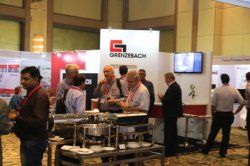
After conference registration, delegates were invited to attend the conference 'welcome party' in the Global Gypsum exhibition area. The busy evening event was a time to greet old friends and to visit some of the 36 exhibition stands showcasing gypsum equipment, additives and services.

Conference first day

The conference first day was opened by Robert McCaffrey, conference convenor, who welcomed delegates and reminded them - since they were now in litigation-prone North America - that they should be careful not to be party to any anti-competitive discussions, either intentionally or inadvertently. The sponsors of the conference, Gyptech, Grenzebach, Johns Manville, Erisim Makina and Sicit 2000 were thanked profusely.

Robert Morrow, partner at Innogyps, gave the first presentation at the Global Gypsum Conference and wished delegates a particular welcome to Canada. He pointed out that gypsum is used for wall and ceiling coverings, in dental work, mouldings, for storage vessels, as a fertiliser and cement additive and in many other ways. However, on the other hand, gypsum is not load bearing, it is heavy, it is not good in very humid conditions and it is relatively energy-intensive to produce. Drywall and plaster product demand are not price sensitive - lower prices will not drive increased housing demand. However, dry lining penetration is driven by the cost of labour and capital: as labour costs rise, gypsum products are used more and more. Robert pointed out that in the US in particular, there has been a marked cyclicality in demand, starting with demand growth, leading to new entrants, eventual excess capacity, inevitable falling demand, painful consolidation and finally new demand growth. Robert suggested that the US market is not going to 'recover' back to its former state in the very near future, so that producers have had to figure out a way to survive. In general, they have focused on reducing costs and on supplying customers as close to their plants as possible. Robert Morrow pointed out some of the barriers to entry, such as access to gypsum, paper, energy, costs of building a factory and of freight, legislative barriers and the final hurdle of customer acceptance.

Robert McCaffrey of Global Gypsum gave the second presentation, which was an overview of global wallboard markets and companies. The US was named as the largest wallboard producer by capacity, followed by China, the UK and Japan. Canada, Mexico, much of Europe, Turkey, Russia, South Korea, Saudi Arabia, Thailand, Indonesia and Australia were all named as '3rd Tier' producer countries, with production capacity of between 100 - 500MM2 per year, although Russia, Brazil, India, Nigeria, Ethiopia and Iran were all singled out as countries with either fast growth or high potential for plasterboard demand growth. In Europe, the UK, France, Germany and Russia were named as the largest producers by capacity, with Spain, Italy, Turkey, Poland and Ukraine in the second tier. Western Europe has plateaued in terms of wallboard demand, but Eastern Europe and Russia are still growing as their economic development level increases to Western European levels. Asia continues to show very strong potential for wallboard demand growth, with Thailand and Indonesia leading the way.

Bob Bruce of Innogyps, a gypsum laboratory and consulting company based in Hamilton near Toronto which had also helped with organisation of the conference, next spoke about disruptive innovation in the gypsum industry. 'Sustaining innovation' is commonly used to transform companies to optimise them to changing circumstances. On the other hand, disruptive innovation is the technology that destroys previous industries, such as digital cameras, email, mobile phones, mini-mills (which innovated to overtake the old capital-intensive steel mills) and LED light bulbs. A number of disruptive technologies have swept through the gypsum industry, from the use of alabaster as a load-bearing material, to the use of plaster, the invention of wallboard in the 1890s and the introduction of manufactured gypsum elements for load-bearing structures using additives to decrease creep. What will be the next disruptive technology that sweeps over the industry? Will it be insulating boards incorporating aerogel? (A sample was brought to the conference by another of the delegates). What about conductive board that allows you to plug in your light directly into the board? It's been done! Might we see conductive wallboards used as radiative warming elements in a house? In fact, Bob suggested that 3D printing of gypsum might actually be the most disruptive technology out there for the current wallboard industry. The first 3D printer capable of making entire rooms has been created in The Netherlands. It is possible that 3D printing will be able to include wiring and plumbing and the systems will be able to print solar panels as well. Bob passionately advocated the use of gypsum for 3D printing of dwellings, rather than other materials such as concrete, or resin and sand, with the suggestion of increased speed of building and dramatically decreased cost when using gypsum. Bob suggested that any innovation that offers significantly improved value to the customer will eventually prevail. South America or the Middle East are good prospects for the economic roll-out for the first examples of this disruptive innovation. Bob ended with a final question: will these kinds of systems grow the gypsum business, or will it replace the gypsum industry? Collectively, we will be the ones who decide.

Kerry Satterthwaite of Roskill information Services presented the main findings from the company's new gypsum outlook multi-client study. Kerry pointed out that US housing starts are a hard set of statistics which are reliably used as a forward indicator of gypsum demand. A precipitous drop in starts was seen from 2007 to the bottom of the market in 2009, dropping from nearly 1.5M/yr to closer to 500,000 in 2008 - 2009. They have since only slowly drifted upwards to barely 600,000 in 2013. Kerry pointed out that if the rest of the world consumed plasterboard at the same rate as the US, then total global consumption would amount to around 70Bm2 per year, 20 times as much as present. Kerry suggested that around 55% of global gypsum production in terms of tonnage is actually used by the cement industry and that the evolution of demand for cement is actually of greater importance to the gypsum industry than is generally realised. Roskill forecasts that global gypsum demand will grow by above 5% per year to at least 2018.

Alfred Brosig next stood to give an update on the technical aspects of the Chinese drywall saga. He reiterated his view that hydrogen sulphide through the activity of sulphate reducing bacteria was at the heart of the problem. The bacteria produce hydrogen sulphide and carbon disulphide as a metabolic by-product. Alfred said that imported drywall was kept on barges and in warehouses for months in elevated dewpoint temperatures, waiting for permission to enter the US.Construction workers reported putrid smells when unwrapping boards and also heavy board weights due to high moisture contents. Weeks spent on ships passing through the humid Pacific and Caribbean would allow humidity to penetrate the drywall's packaging, which would condense in cooler night-time conditions and then be taken up by hygroscopic forces leading to saturation of the boards in the absence of air and allowing the activity of the sulphate reducing bacteria. Once installed in homes the putrid smell of Chinese Drywall was gone. However, it returned the next summer when temperature and relative air humidity was high. Condensation would also take place on the backside surface of drywall, due to the air conditioning in the house making the inside surface cooler than the dew point. Alfred denied that elemental sulphur might be a problem in drywall since, he said, there are no conditions which would allow elemental sulphur to be transformed into any form of gaseous sulphur compound.

After the presentation programme of the first day of the conference, a discussion forum was held which touched on a number of critical topics for the industry, including sustainability, recycling and the impending gypsum industry 'retirement crisis.'

The Global Gypsum Conference in 2013 was salted-through with networking opportunities, not only the popular long coffee breaks in the exhibition area, but also the 'Meet the delegate' sessions where each delegate has a chance to introduce themselves to the other delegates, as well as the 'Speed dating' sessions where delegates are brought together for half an hour but with just four minutes to meet each other before having to move on. The many opportunities for networking meant that the conference was rated the best ever for making contacts on the delegate questionnaires.

Global Gypsum Awards Cruise

After the first day of the conference, delegates took to the waters of Toronto Harbour to enjoy an atmospheric cruise aboard the dining yacht Northern Spirit, while enjoying views of Toronto's spectacular skyline and music from a funky local band. During the evening, the Global Gypsum Awards 2013 were presented, based on a two-stage online nominations and voting process open to all gypsum industry participants from around the world.

The Global Gypsum supplier of the year was Gyptech, while company of the year was Saint-Gobain. Plant of the year was the El Carmen plant of Panel Rey in Mexico, while the Global Gypsum product of the year was Gyproc's Activ'Air ceiling boards. A new category, 'Outstanding contribution to the global gypsum industry' was awarded to BNBM. The Global Gypsum personality of the year was awarded to well-known Scotland-born consultant Bob Bruce of Bob Bruce & Associates, Canada.
The Global Gypsum Awards Cruise ended with a memorable and drenching rainstorm, leaving many delegates relieved that the yacht had not ventured out on to rough and stormy waters of Lake Ontario. On returning to the hotel, discussions continued late into the night at the hotel bar.

Conference second day

Ronny Velicogna of ADM started the second day with a presentation on the use of starch in gypsum. Wheat starch was originally used to improve the binding of the paper to the board. Now starch is also starting to be used for board strength optimisation. Starch protects gypsum crystals, which bond the paper to the core, from breaking when exposed to heat in the oven. The starch is distributed evenly in the slurry, but it migrates with water through the curing process and becomes concentrated at the board surfaces. Ronny mentioned the importance of having a balanced, well-functioning dryer to enable starch to migrate to the board surfaces to become effective. Natural plant-based starches are modified to enable them to migrate faster through the board. At higher water to stucco ratios, starch can migrate faster. If lower water to stucco ratios are required in the process, then more highly modified starches may be required.

Jeffrey Warren of Gyptech started his presentation with the bold statement that the gypsum industry needs better tools and went on to introduce the bench-top Gyptech Stucco Analyser. The analyser - developed after initial work by Dr Bob Bruce of Innogyps - is a laboratory instrument with a calorimeter for analysis of hydration reactions, which also acts as a database which grows as the instrument is used over time. The instrument has three approaches: it determines the percentage of hydratable material in the specimen (the material that can be used to generate strength in the board coat); the second level gives a stucco compositional phase analysis, with raw gypsum, hemihydrate, AIII, inerts and moisture quantification; while level three gives a full thermodynamic response data set 'with almost unlimited potential.' The analyser gives full detailed knowledge of the stucco samples, allowing users to see patterns, opportunities and changes and giving users the confidence to make informed decisions. The instrument can be used for board quality control, mill process control and optimisation, plant commissioning and start up, plant maintenance optimisation, analysis of additive set effects, equipment design and research and development, all leading to cost optimisation. Jeffrey admitted that the analyser is not necessarily a commercial prospect for Gyptech, but instead is part of 'what Gyptech is,' and is part of Gyptech's complete solution for the gypsum industry.

Dustin Neumann of Neumann Process Control next spoke about the possibilities for reducing energy consumption in a well-balanced wallboard dryer. Dustin firstly recommended that manufacturers benchmark their equipment against similar equipment in the industry, to gain an idea of the amount of efficiency that could be gained through engineering improvements. He suggested that there are five main routes to improving dryer efficiency: increasing board entrance temperature, preheating the dryer air, reducing the exhaust temperature, reducing infiltration and reducing the evaporation rate by increasing the level of finished board moisture. Some of these routes are more practical or cost-efficient than others. A full description of Dustin's approach to board dryer optimisation was included in the November 2013 issue of Global Gypsum Magazine.

Michael Sellers of MTorres next spoke about the importance of consistent unwinding in gypsum board production. The company started in 1975 when a machinery operator had a great idea for a splicer: his boss didn't think so, so the machinery operator left to start his own company which now operates on all continents and in 60 countries. What his ex-boss now thinks of the idea is not known. As mentioned by Michael Sellers, the essence of consistent unwinding is tension control, effected through controlling the feed rate and through measuring and controlling the actual tension value. Paper breaks, slack, wrinkles, misalignment and elongation may occur if tension is controlled incorrectly. When completing a splice, the running roll has to be stopped, the two paper rolls or have to be joined, the new roll has to be accelerated to line speed and during this process there should be no spike in tension. MTorres offers a piece of equipment that can accomplish this. A high speed board line may have more than 15,000 splices each year, any one of which could end in chaos and economic loss if not completed correctly: a reliable solution is required.

Anna Thomé of Akzo Nobel Chemicals AG next spoke on how additives can be used to increase the utility of alternative gypsum sources for use as levelling compounds. Anna pointed out that beta-gypsum and FGD gypsum are typically not suitable for self-levelling flooring applications, having high water requirements. Even alpha-gypsum and anhydrite, which can be used for flooring, require complex formulations including superplasticisers, defoamers, retarders, cellulose ethers and redispersive polymer powders to work. Now Akzo Nobel has developed a new technology, Elotex Cast, that will allow practically all types of gypsum, including beta and FGD gypsum, to be used for flooring applications. Cast - calcium sulphate technology - leads to reduced water demand, good surface stabilisation, excellent levelling properties, simplified formulation and easy handling and lower shrinkage risks.

Michael Schinabeck and co-authors from BASF Construction Polymers then spoke about some of the challenges involved in trying to use clay-contaminated stucco and some of the advantages offered by a new superplasticiser. These additives are used to improve flow behaviour, to modify rheology and to reduce water demand typically through electrostatic repulsion. Of course, reducing water demand means that less water is added to the stucco and less water is required to be evaporated. Michael pointed out that clays in stucco have a variety of deleterious effects, including possible thickening of stucco mixtures requiring addition of higher levels of water to achieve flowability. The new Melflux CR 1000 L superplasticiser is a completely new molecule structure with an anionic backbone and an electrosteric dispersing mechanism. The new additive has no negative influence on setting time and reduces water demand for even heavily clay-contaminated stuccos. In addition it has no influence on the pore structure of the solidified stucco. The new additive is about to reach the market after extensive testing and legislative control.

Markus Lackmann of Haver Filling Systems spoke about the filling of well-known valve bags versus form, fill and seal bags (FFS). The form, fill and seal bags have been used for the last twenty years or so, but mainly for non-dusty fillings where an imperfect seal would not lead to dusting. However, the sealing of FFS bags has improved to the extent that they are now accepted in fussy big box building material retailing stores where cleanliness is at a premium. Markus said that the secret to filling an FFS bag is to extract the air from the product before the bag is sealed, which can be done by vibrating the bag and the product during filling. Haver now makes machines capable of filling up to 2000 FFS bags per hour.

Aleksey Eremin of the Moscow State University completed the programme with a presentation on quantitative phase analysis of multiphase gypsum using XRD. Russian gypsum manufacturers have recently replace traditional calciners with rotary and fluidised bed kilns with lower energy consumption. Rietveld methodology can be used to quantify crystal phases through an iterative procedure to minimise the deviation between experimental and calculated diffractograms. Having the ability to quantitatively analyse the composition of multiphase gypsum samples allows Aleksey and his colleagues to try to optimise the mineralogical mix of industrial stuccos used for self-levelling floor screeds.

Conference prizes and farewells

After the conclusion of the conference programme, delegates made their way to the CN Tower, the world's tallest free-standing tower, for a farewell party with stunning views over Toronto and Lake Ontario. At the event, sponsored by Gyptech in recognition of its 20th anniversary, a number of conference prizes were given out, including the best presentations based on delegate voting. Alfred Brosig was awarded third place for his dramatic presentation on the ongoing Chinese wallboard saga. Bob Bruce of Innogyps was awarded second place for his thought-provoking speech on disruptive innovation in the gypsum industry. However, the best presentation prize was awarded to Michael Schinabeck for his eloquent summary of the effects of a new superplasticiser on clay-contaminated stuccos. Gyptech won the 'best exhibition stand' award for its impressive purpose-built construction in the exhibition hall. Celebrations of the win and of the company's 20 years of 'Proven technology worldwide' continued into the night at the company's popular hospitality suite back at the conference hotel.
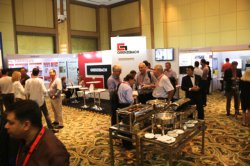
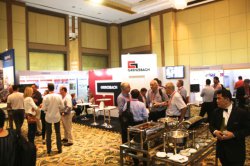
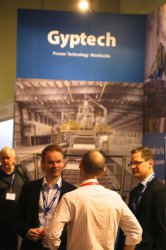
Delegates commented on the conference:

  • "A nice combination of work and fun;"
  • "Good job!"
  • "Good conference as usual;"
  • "All important players come together in this one concentrated event;"
  • "Great opportunity to connect with customers;"
  • "We are glad to participate and look forward to next year."

Where next?

The Global Gypsum Conference has taken place around the world, in Bangkok, San Francisco, Miami, Barcelona, Prague, Cancun, Shanghai, Dubai, Rio de Janeiro, Paris, Las Vegas, Istanbul and in 2013 in Toronto. The conference organisers had been asked many times to organise the event in an up-and-coming region with plenty of wallboard production and potential for more. With this in mind - and also with an eye out for cost-effective hotel accommodation, ease of access and logistics, relative ease of visa acquisition and general reputation for efficiency - the organisers were pleased to announce at the event, to popular acclaim, that the venue for the 14th Global Gypsum Conference on 29-30 September 2014 will be the Estrel Hotel in Berlin, Germany.

"Also, bis Berlin": See you in Berlin!